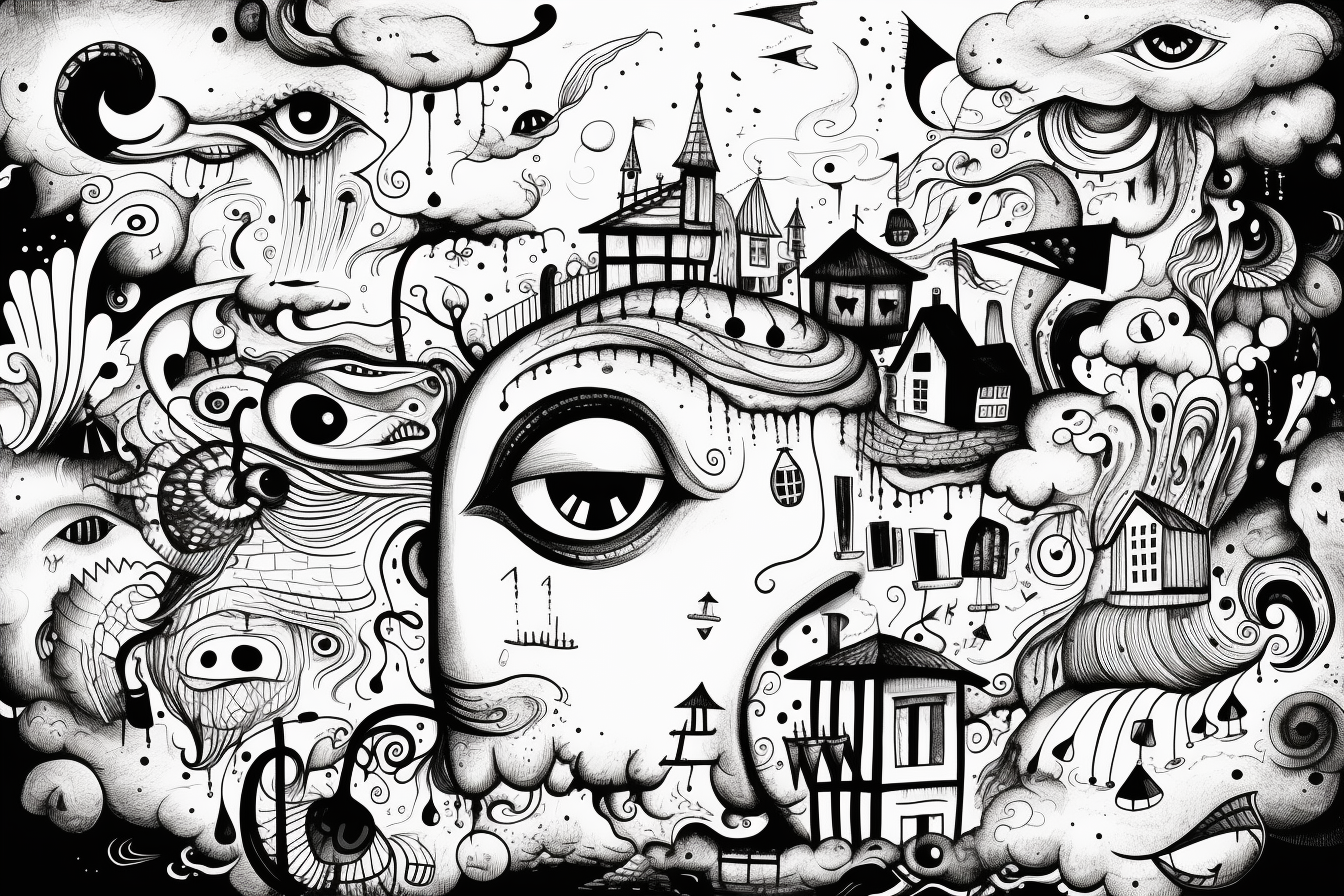
Ambiguity in literature is the deliberate choice to leave something unresolved: a question the text raises and never fully answers. It is not vagueness. The details are clear, the meaning is left open, and the reader has to decide.
Here’s the unvarnished truth: Readers are a lot smarter than many give them credit for. They don’t always need to be spoon-fed every answer. Sometimes, they enjoy a good noodle scratcher. They want to be left in awe, or confusion, or pondering the what-ifs. Welcome to the intricate dance of ambiguity!
What is the ambiguity technique in literature?
The technique works by giving the reader two or more readings that all fit the evidence on the page. The text does not tell you which one is true. That is different from a plot hole, where the text simply forgot to explain something, and different from confusion, where the reader cannot follow what is happening at all.
It shows up in endings, in a character’s true motive, and in whether a supernatural event really happened. The test is simple: if a careful reader can defend two answers with lines from the book, the ambiguity is working. If they can only shrug, it is not.
Ambiguous endings readers still argue about
Henry James’s The Turn of the Screw never settles whether the ghosts are real or the governess is imagining them, and readers have argued both cases for over a century. Frank Stockton’s The Lady, or the Tiger? ends at the moment of choice and never says which door the lover opens. In both, the evidence is complete and the verdict is withheld.
That is the shape of every ambiguous ending worth remembering: the reader leaves with a question they can actually work on, not a gap they cannot fill.
When to leave a question open, and when not to
| Leave it open when | Answer it when |
|---|---|
| The question is about meaning or motive | The question is about basic plot facts |
| Both readings are supported by the text | One reading needs information the reader never got |
| The uncertainty is the point of the story | The uncertainty is only there because you did not decide |
| The reader can argue their case with evidence | The reader can only guess |
If the question is the ending itself, the choices are laid out in surprising yet inevitable endings.
Four rules for using ambiguity well
1. Know Your Why: Before you decide to omit an answer, ask yourself why. Is it to encourage further thought? To make a story more memorable? To frustrate your reader? (Okay, maybe not the last one.) Check out Literary Devices’ exploration of ambiguity for more on its intentional use.
2. Don’t Be Ambiguous About Everything: While ambiguity can be a potent tool, it’s not an all-you-can-eat buffet. Choose specific areas to be ambiguous about, while leaving others more defined. A story with only vagueness might leave readers feeling lost or unsatisfied.
3. Use Ambiguity to Enhance Theme or Symbolism: Sometimes, unanswered questions can serve a symbolic purpose, subtly suggesting larger, often universal truths. A great breakdown of this concept can be found at Writers’ Treasure.
4. Respect Your Readers: Ambiguity is like that rich dessert – fantastic in moderate portions but overwhelming if overindulged. Readers should feel intrigued, not cheated. The ending of Inception, with its spinning top, is ambiguous yet captivating. Why? It respects the audience’s intelligence.
Withholding information on purpose is the engine of suspense, and the rules for keeping readers guessing are covered in secrets and suspense.
Is my ambiguous ending too vague?
Run these five checks before you commit to an open ending:
- Can a careful reader name two possible answers?
- Can they point to lines in the book for each one?
- Does the story need the uncertainty, or is it hiding a missing decision?
- Have you answered every question the plot itself depends on?
- Would a reader describe the ending as intriguing, or as a cheat?
FAQs:
- Q: Isn’t ambiguity just lazy writing?
- A: Not at all! In fact, intentional ambiguity requires a deeper understanding of storytelling. It’s about knowing what to reveal and what to withhold.
- Q: Can any genre embrace ambiguity?
- A: Absolutely! From mysteries to romances, each genre can benefit from a touch of the enigmatic. The key lies in execution.
- Q: How do I handle reader frustration with my ambiguous ending?
- A: Engage with them! Open up a dialogue, be it on social media or at book readings. Often, the discussion can lead to richer interpretations of your work.
In the grand tapestry of storytelling, threads of ambiguity add depth, color, and texture. When wielded with skill and intent, they elevate a tale, making it linger long after the last page is turned.
Till next time, may your narratives be as intriguing as they are ambiguous!
Free writing tools to try next
- Beta Reader: get honest reader-style feedback.
- Rate My Prose: score your writing and find the weak spots.
- Editing Services: get professional editing help.